
Boost Your Dog’s Digestive Health: Best Fiber and Prebiotic Supplements and Food
Fibre and other prebiotics are crucial components of a dog’s diet that can significantly impact their digestive health and overall well-being. While dogs are omnivores and typically get fibre and prebiotics through their regular food, supplementation can be particularly beneficial in certain health conditions.
Fibre is a type of carbohydrate that the body cannot digest. It is classified into two categories: soluble and insoluble fibre. Soluble fibre absorbs water and forms a gel-like substance, helping to slow down digestion, can lower cholesterol levels, and aids in regulating blood sugar levels. Insoluble fibre adds bulk to the stool, promoting regular bowel movements. Both types of fibre play crucial roles in maintaining a healthy digestive system. Click here directly check recommended products.
Fibre helps regulate the digestive process by ensuring the proper movement of food through the intestines. It can alleviate both constipation and diarrhoea by absorbing excess water or promoting moisture retention in the stool.
Fibre helps dogs feel fuller for longer, which can be helpful in managing obesity. By adding bulk to their diet without adding excess calories, fibre can help control portion sizes and prevent overeating.
High-fibre foods slow the absorption of sugars in the bloodstream, which can be beneficial for diabetic dogs. Fibre supplementation can help stabilise blood sugar levels by slowing the rate of carbohydrate digestion.
Dogs with chronic anal gland problems may benefit from fibre supplementation. The bulk provided by fibre helps to stimulate the anal glands naturally, reducing the likelihood of impaction or infection.
Natural sources of fibre
If you are looking for natural sources of fibre, it is interesting to add the following vegetables to a normal diet or give them as a treat; Carrot, Pumpkin, Broccoli, Sweet potatoes, Peas & Spinach. This options doesn’t only add fibre, but also a variety of vitamins, minerals, prebiotics and anti-oxidants.

What are Prebiotics and Why are They Important?
Prebiotics are non-digestible food components that promote the growth and activity of beneficial bacteria in the gut. Unlike probiotics, which are live bacteria, prebiotics serve as food for these bacteria, helping to maintain a healthy microbial balance in the intestines.
Prebiotics encourage the growth of beneficial gut bacteria, which are essential for proper digestion, nutrient absorption, and immune system function. They also help to crowd out harmful bacteria that can lead to digestive issues.
A significant portion of a dog's immune system resides in the gut. By fostering a healthy balance of gut flora, prebiotics help strengthen the immune response, making dogs less susceptible to infections and illnesses.
Prebiotics help regulate stool consistency by fostering a healthy gut environment. In dogs with diarrhoea or loose stools, prebiotics can help restore balance to the digestive system, leading to firmer and more consistent stools.
Prebiotics can be especially beneficial for dogs with gastrointestinal disorders such as irritable bowel syndrome (IBS) or inflammatory bowel disease (IBD). By promoting the growth of healthy gut bacteria, prebiotics can alleviate symptoms like bloating, gas, and discomfort.
When Should Fibre and Prebiotic Supplements be Given to Dogs?
While fibre and prebiotic supplementation can be beneficial for all dogs, there are certain situations where they become especially important:
Digestive Disorders: Dogs suffering from chronic diarrhoea, constipation, or irregular bowel movements can benefit from fibre supplementation. Similarly, prebiotics can help restore a healthy gut flora balance in dogs with gastrointestinal issues like IBD or IBS.
Obesity Management: Overweight dogs may benefit from fibre supplementation to help control their weight. Fibre helps them feel fuller with fewer calories, aiding in portion control and reducing the likelihood of overeating.
Age-Related Digestive Changes: Senior dogs often experience slower digestion and may have difficulty absorbing nutrients. Fibre and prebiotic supplementation can help improve gastrointestinal function and maintain a healthy gut flora balance in older dogs.
Antibiotic Use: Antibiotics can disrupt the balance of gut bacteria, often leading to digestive disturbances like diarrhoea. Prebiotics can help promote the growth of beneficial bacteria and restore gut health during or after a course of antibiotics.
Stress-Induced Digestive Issues: Stress can significantly impact a dog’s digestive system, leading to issues like diarrhoea or constipation. Prebiotics can help mitigate these effects by promoting a balanced gut microbiome, while fibre can regulate stool consistency.
Anal Gland Problems: Dogs prone to anal gland issues, such as impactions or infections, can benefit from fibre supplementation. Fibre helps to bulk up stool, encouraging natural expression of the anal glands during defecation.
What are best fibre and prebiotic supplements?
Protexin ProFibre for Dogs and Cats:
This product comes as small pelets which can be added to food. Very complete and price competitive product. Highest amount of fibre from all products. It includes both fibre and other prebiotics on top of probiotics (good gut bacterias). Perhaps not the easiest to feed to some dogs. Mostly to supplement fibre for constipation or Anal Gland problems.
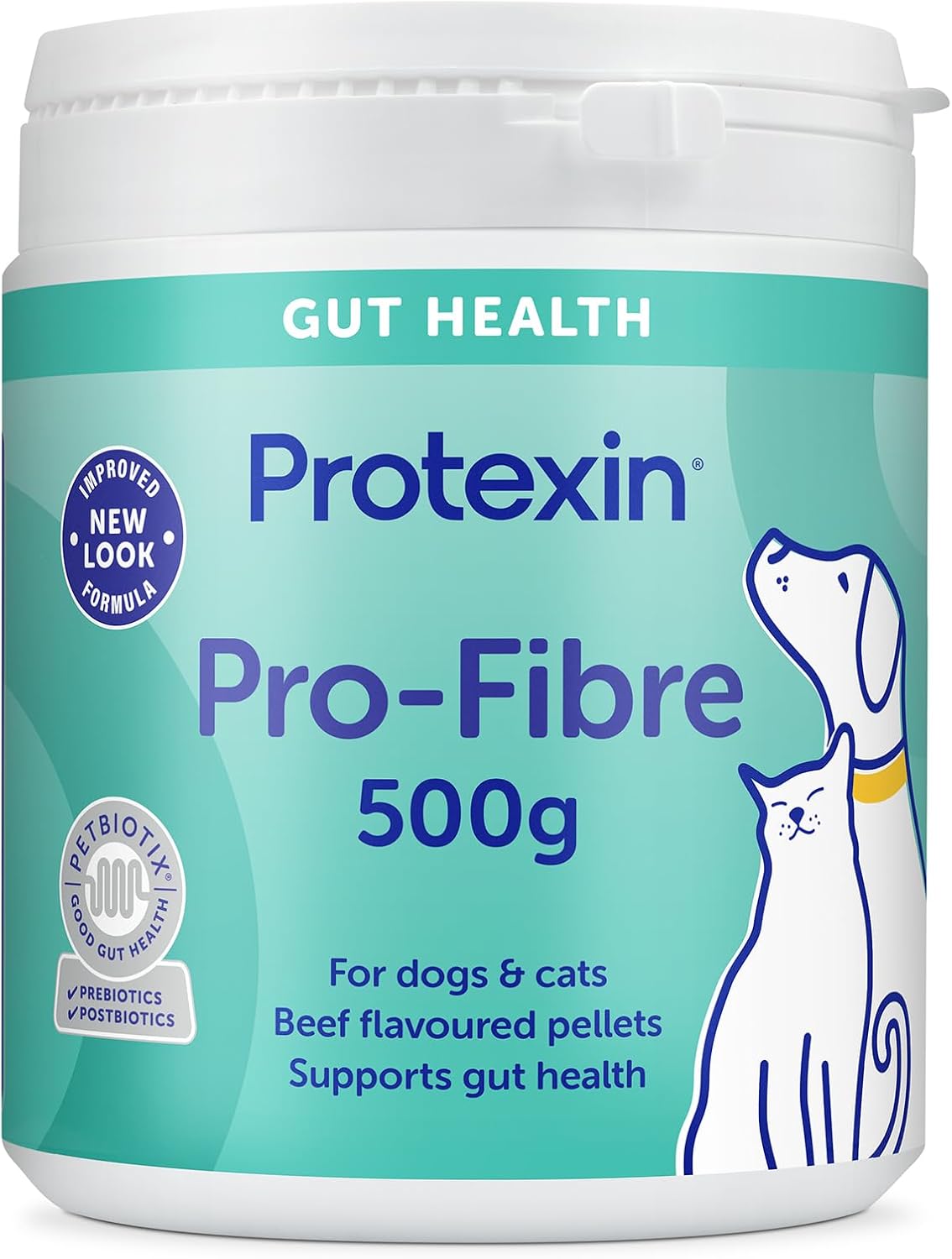
Protexin Pro-Fibre
Bugalugs Pumpkin Chews:
This product is the easier to give as it comes in a tasty treat form. It also contains pro and prebioitcs, including fibre. Chicken and grain Free, perfect for animals with allergies.
Perfect for convinence asit is a very delicious treat.

Bugalugs Probiotics for Dogs
120 Chewable treats.
Yumove Digestive Care:
This product comes in a powder form, so it’s a very convenient to just mix it with food. Backed by a very reputable brand, will help with Anal Glands and gastroenteritis issues. With pre & pro biotics including Fibre. Grain-Free formula.
Best to tackle anal gland/gastroenteritis/constipation problems or altogether wether is short or long term.
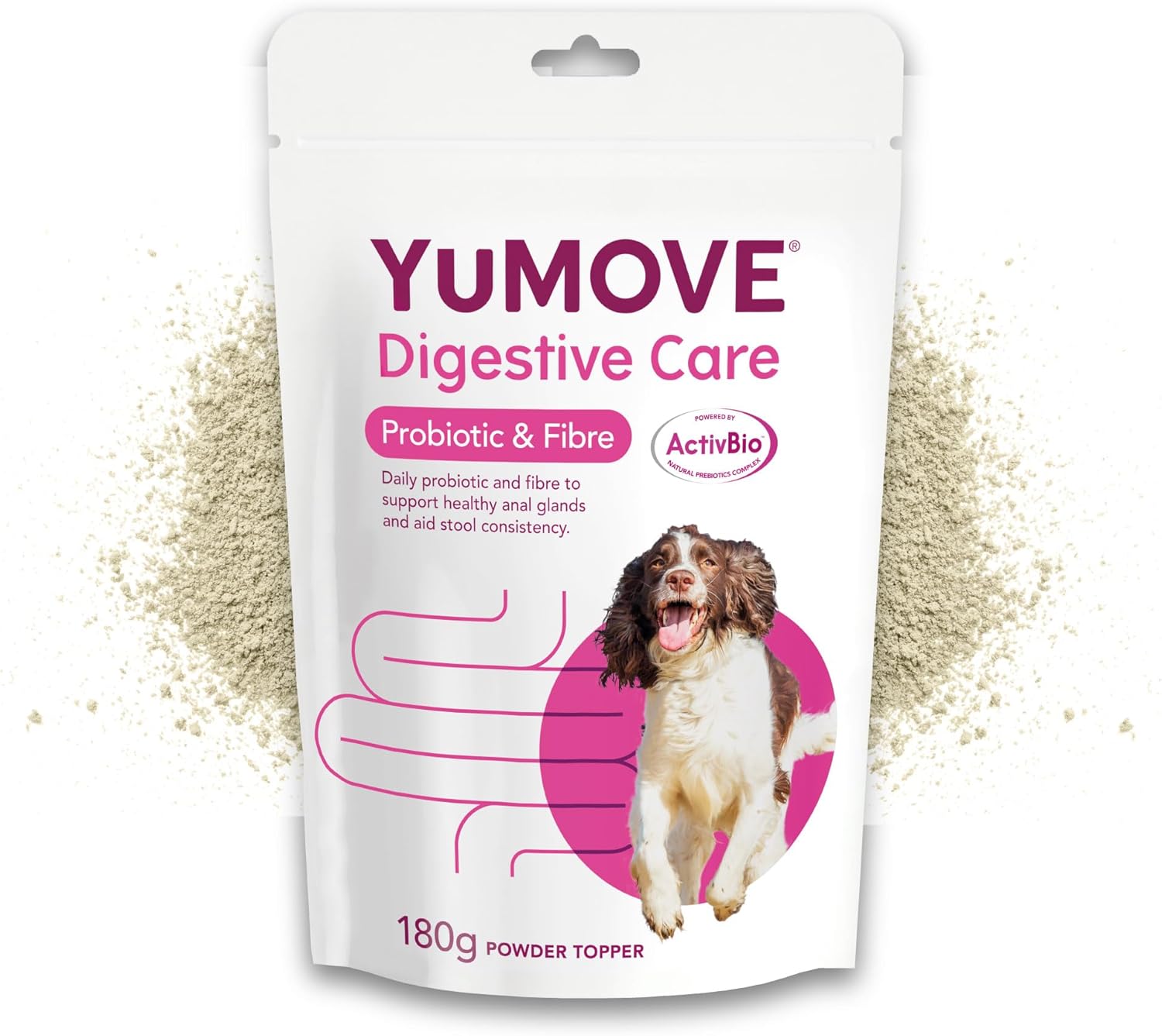
Yumove Digestive Care 180g
From YuMOVE, the UK’s no.1 veterinary joint supplement brand.
Fortiflora Dog or Cat:
This product comes in a powder form as well. Mainly focused on aiding with occassional or recurrent gastroenteritis. It will aid with those pets with sensitive stomach. Grain-free formula.
Case expamples: Intermitant or recurrent gastroenteritis, to aid on a diet change, anticipated stress that will lead to gastroenteritis, IBD, old pet with ongoing sensitive stomach/bowels.

PRO Plan Canine FORTIFLORA
30 Sachets for dogs.
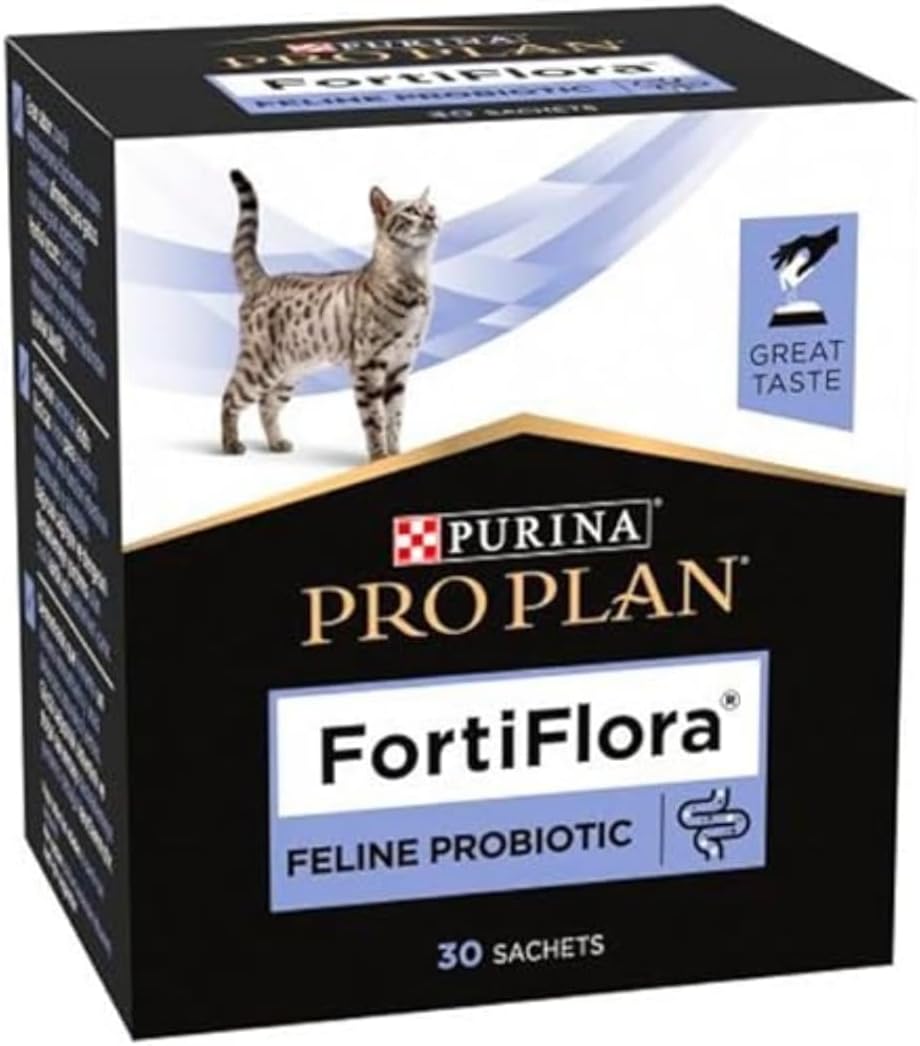
Pro Plan Feline FORTIFLORA
30 Sachets for Cats.
Conclusion
Just like in people (and unfortunately for some who’d rather have a good burger or, in a personal prefernce, sourdough pizza), fibre plays a big role in keeping our dogs healthy—especially when it comes to digestion and overall gut health. While fibre supplements can be a helpful addition, they shouldn’t be the whole story. Adding a variety of dog-safe veggies to your pup’s meals not only boosts fibre naturally but also provides important prebiotics and micronutrients that support their immune system and overall well-being. Think of it as a small step that makes a big difference—your dog’s tummy will thank you!