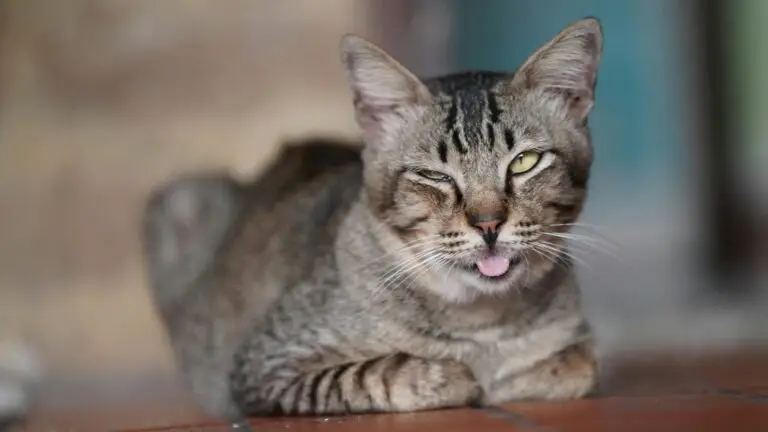
Catnip, that fascinating herb that drives many cats wild, is a source of curiosity for pet owners. While some felines appear to experience euphoric excitement after just a whiff, others remain completely indifferent. So, what causes this mysterious reaction, and how can catnip be used to safely enrich your cat’s life?
In this guide, we’ll explore how catnip works, its effects on cats, the best ways to use it, and answer some of the most common questions pet owners have about this intriguing plant.
What is Catnip?
Catnip, scientifically known as Nepeta cataria, is a fragrant herb belonging to the mint family. Originally native to Europe and Asia, it is now found in many parts of the world and has become a popular natural treat for cats. The plant features soft, fuzzy leaves and delicate pale-purple flowers, but it’s the leaves and stems that truly capture your cat’s attention.
Go to recommended products

How Does Catnip Work on Cats?
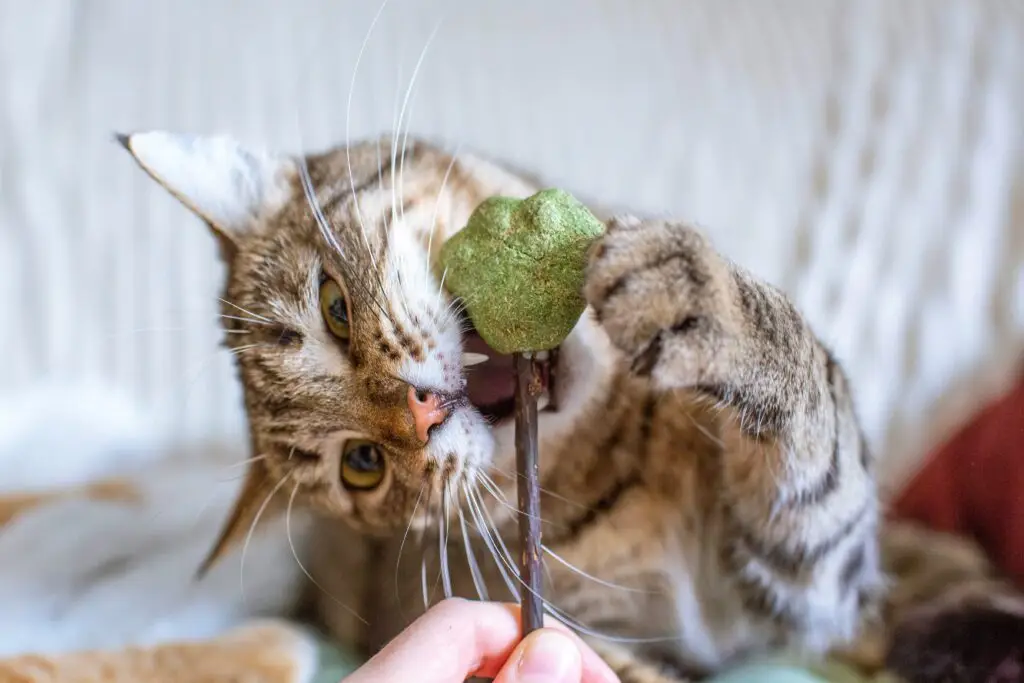
The effects of catnip on cats are linked to their highly sensitive olfactory system, which processes scents. When a cat smells catnip, a compound called nepetalactone binds to receptors inside the nose and activates sensory neurons that connect to the brain. This interaction triggers the release of feel-good chemicals such as dopamine, leading to temporary changes in behavior and mood.
What Happens When a Cat Smells Catnip?
Cats respond to catnip in different ways, but most show one or more of the following behaviors when exposed to it:
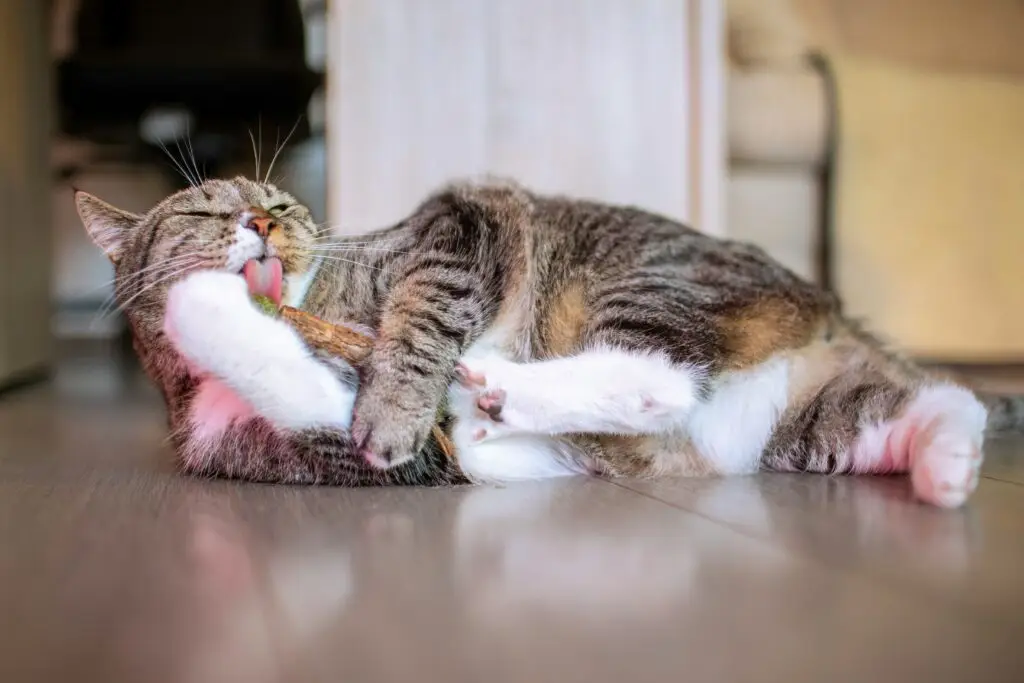
- Rolling and rubbing: Cats may roll on the ground and rub their face or body against the herb.
- Playful behavior: Many cats become more energetic, chasing invisible prey or pouncing on toys.
- Vocalizing: Some cats meow or purr loudly in response to the stimulation.
- Relaxation: After the excitement fades, cats often settle down and appear calm, sometimes purring contentedly.
These reactions usually last between 10 and 15 minutes, after which the cat loses interest and becomes temporarily desensitized to catnip. After a short rest—typically 30 to 60 minutes—they may respond again when reintroduced to the scent.
The Science Behind Catnip: What Happens in the Brain?
When a cat encounters catnip, the active compound nepetalactone binds to receptors in the brain that are linked to pheromone detection. This interaction induces a brief state of euphoria and heightened sensory perception, somewhat comparable to the effect of certain psychoactive substances in humans.
Research suggests that nepetalactone may mimic feline pheromones released during mating, which could explain why some cats display mating-like behaviors such as rolling, vocalizing, and pouncing (McNamara et al., 2006). These reactions may be evolutionary remnants related to reproduction, though the exact mechanisms are not yet fully understood.
Is Catnip Safe for Cats?
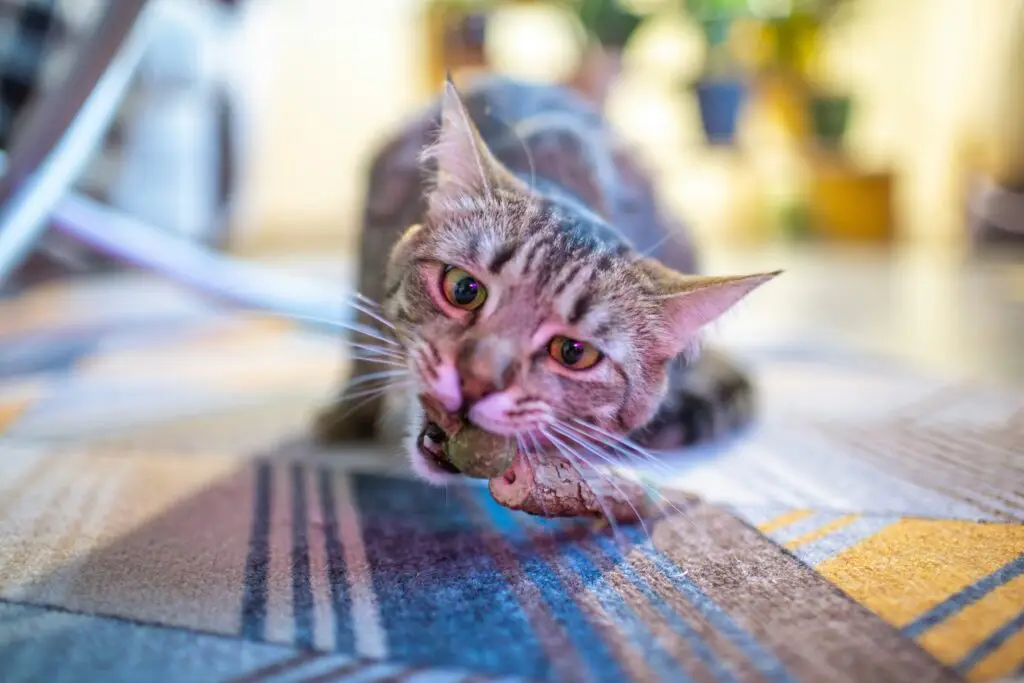
Yes — catnip is safe for most cats when used in moderation. It is non-toxic and does not harm cats, even when ingested. However, frequent or excessive exposure can cause desensitization, meaning your cat may stop responding to catnip for a period of time. To maintain its effect, offer it only once or twice per week.
In rare cases, some cats may become overly stimulated or show brief signs of aggression. If this happens, remove the catnip and allow your cat to settle down naturally. For cats with a history of anxiety, stress, or behavioral issues, it’s best to consult your veterinarian before introducing catnip as part of play or enrichment.
Why Don’t All Cats Respond to Catnip?
Interestingly, not all cats react to catnip. Genetics plays a major role in determining sensitivity. Research suggests that only about 50–75% of cats are affected by catnip, and the response is inherited as an autosomal dominant gene.
Kittens and cats younger than 3–6 months typically show no reaction to catnip, as their sensory systems are still developing. Additionally, some breeds—such as the Burmese—appear less likely to respond at all.
While catnip primarily affects domestic cats, similar responses have been documented in certain wild species, including lions and leopards. The underlying mechanisms in these big cats remain less understood (Beaver, 1992).
How to Use Catnip for Your Cat
Catnip can be used in several fun and practical ways to enrich your cat’s daily routine. Below are some effective methods to help your feline enjoy this natural stimulant safely and productively.
- Toys: Sprinkle or stuff catnip into toys to make them more appealing. Catnip-filled toys stimulate hunting instincts and encourage playful activity.
- Sprinkle on Scratching Posts: Dust a bit of catnip on scratching posts to attract your cat and reinforce proper scratching habits — reducing damage to furniture.
- Catnip Mats or Pads: Ready-made mats or pads infused with catnip provide a designated zone for your cat to roll, relax, and enjoy sensory stimulation.
- Fresh Catnip: Many cats love fresh catnip. You can grow it in pots or your garden. Keep plants out of reach until you’re ready to let your cat enjoy them.
- Catnip Spray: For cats that don’t respond to dried or fresh leaves, catnip spray — containing concentrated nepetalactone — can be applied to toys or bedding as an alternative.
References
- McNamara, K., & Bailey, P. (2006). The Effects of Catnip on Cat Behavior. Veterinary Medicine, 45(2), 45–48.
- Beaver, B.V. (1992). Catnip and Its Effects on Behavior. Applied Animal Behaviour Science, 45(1), 19–29.
- Quimby, D., & Pemberton, C. (2009). Catnip: A Behavioral and Pharmacological Review. Journal of Veterinary Behavior, 2(4), 220–224.
- Norscia, I., & Palagi, E. (2011). Catnip and Playful Behavior in Domestic Cats: A Natural Behavior Approach. Animal Cognition, 14(1), 55–65.