Introduction
Fleas are not just a nuisance—they can cause intense itching, allergic reactions, and transmit diseases to both pets and humans. Tackling a flea infestation requires a multi-modal approach that includes your pet, your home, and your outdoor environment. Here’s your complete guide to getting rid of fleas and keeping them away.
First thing first, how to recognise fleas

How to Recognize Fleas
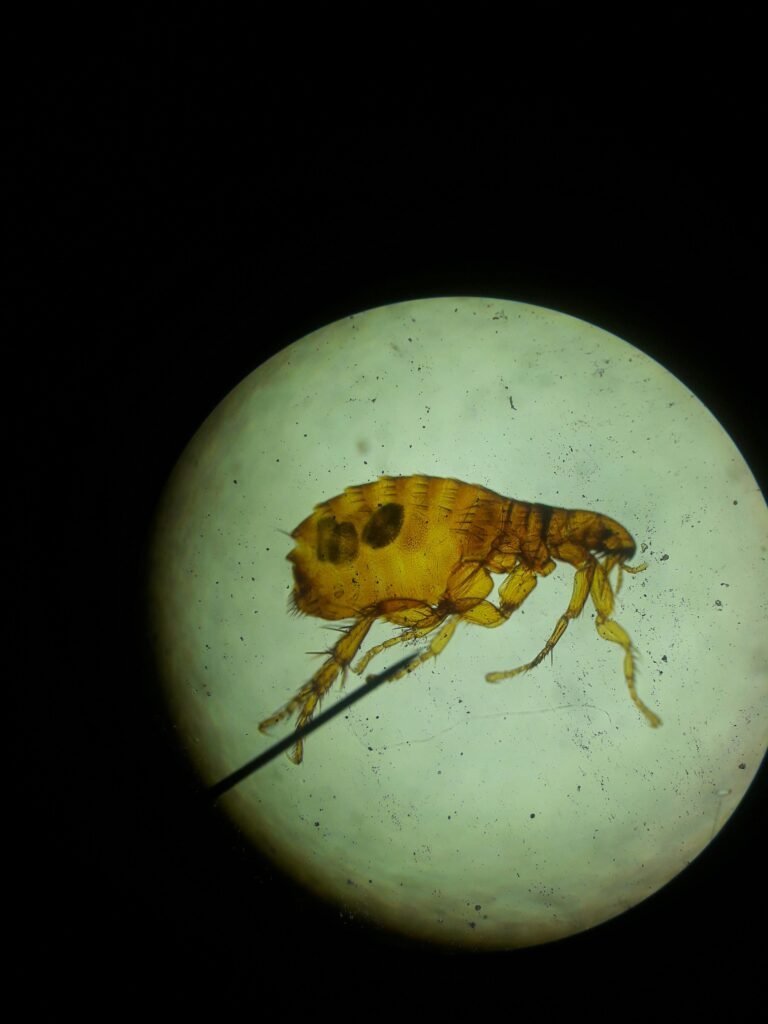
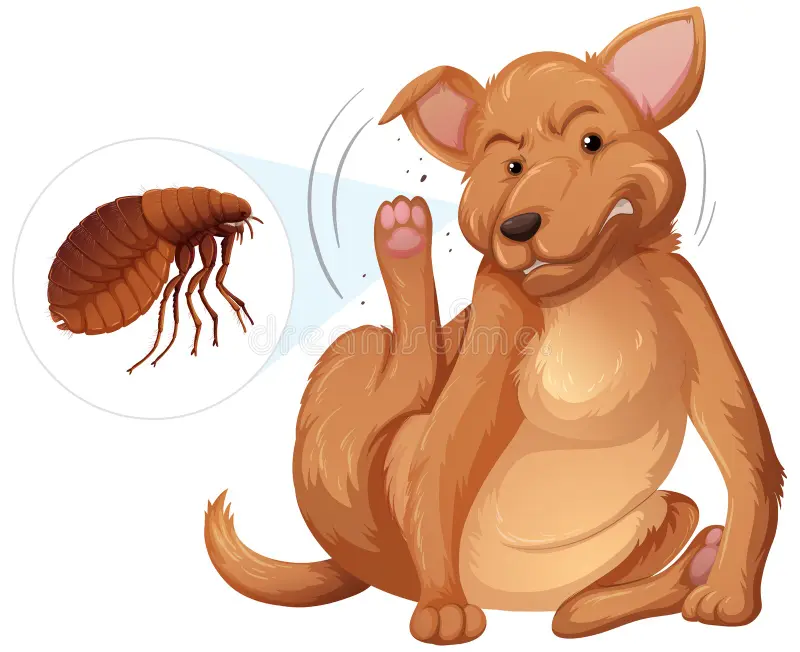
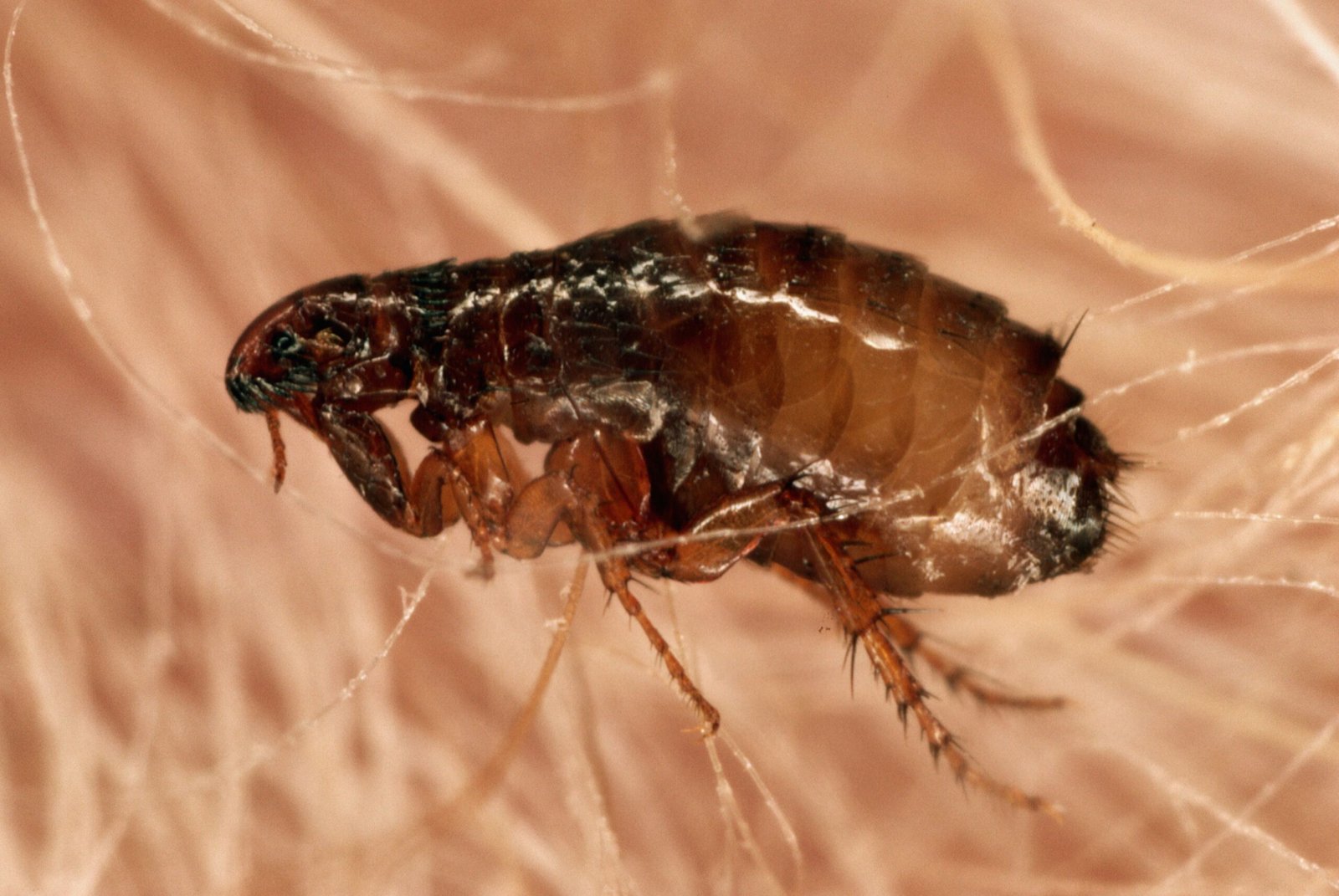
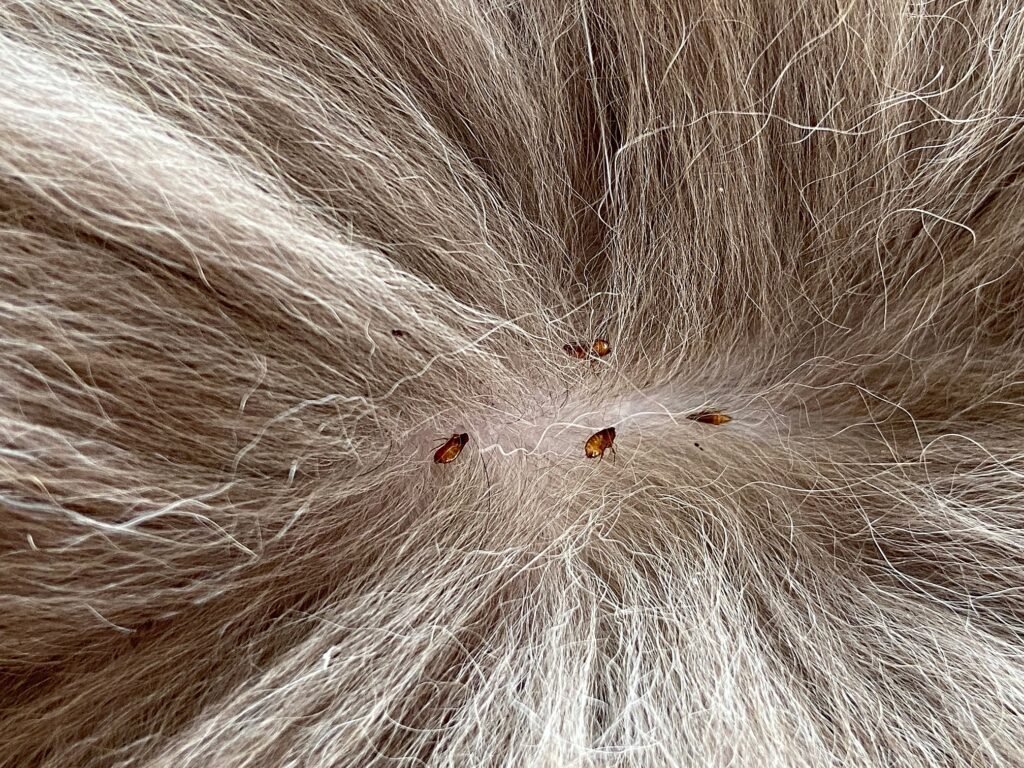
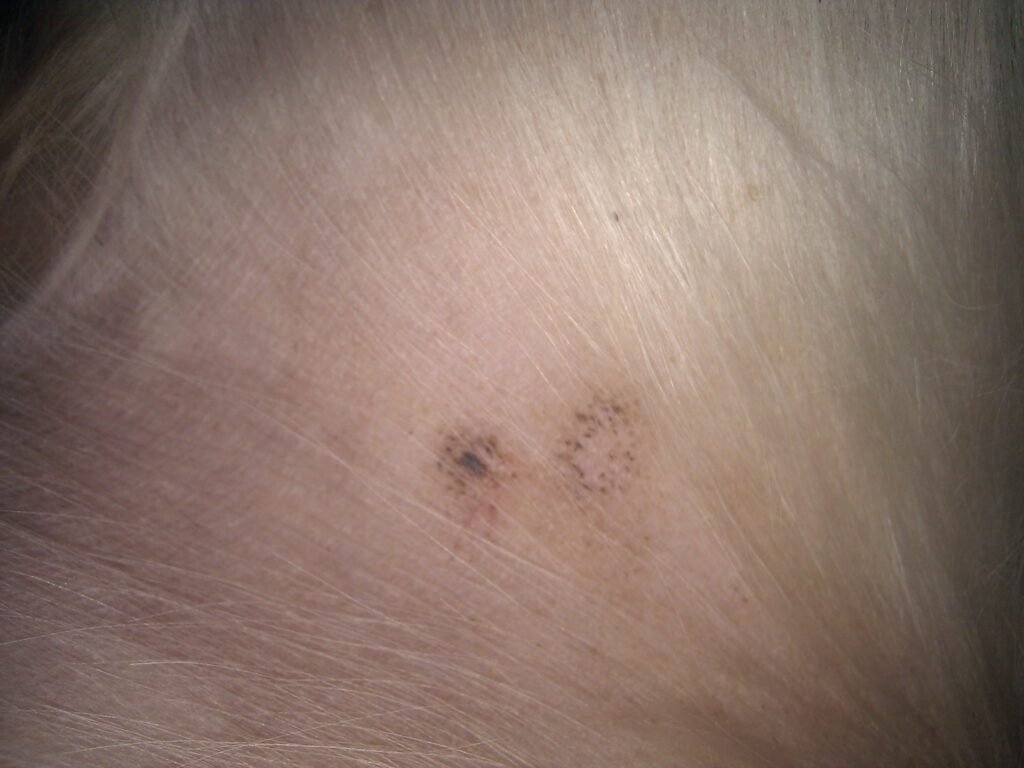
During my years of practice I have seen many owners struggling to identify if their dogs or cats have fleas. Sometimes it can be fairly straightforward when the animal has a heavy infestation of these arthropods. However, there are situations where this can be challenging, especially when fleas are not readily visible on the pet. So, what does a flea look like?
Fleas are dark-orange coloured, 1–3 millimetres long insects. They have bodies that are flattened sideways, allowing them to move easily through their host’s fur. They lack wings, but their hind legs are extremely well adapted for jumping—so beware, they can jump and bite humans!
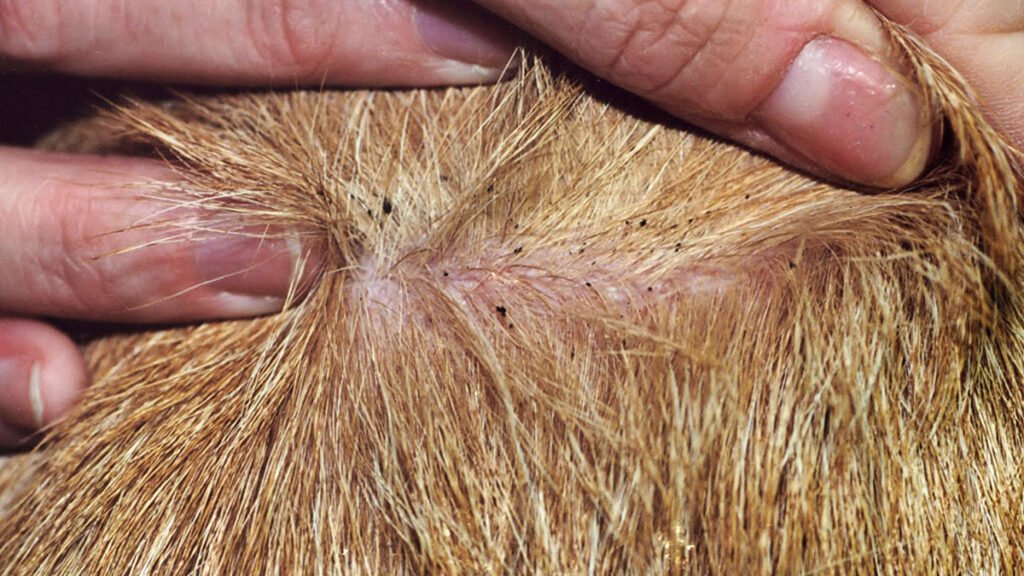
How to Confirm Flea Dirt
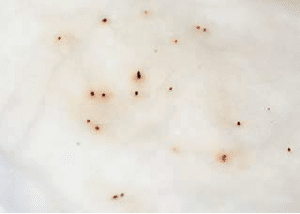
What sets flea dirt apart from regular dirt is a simple test: place the specks on a piece of damp white paper. If they leave a reddish stain, it confirms the presence of dried blood — a byproduct of fleas feeding on your pet’s blood.


Step-by-Step Guide
Step 1: Eliminate Fleas from Your Home
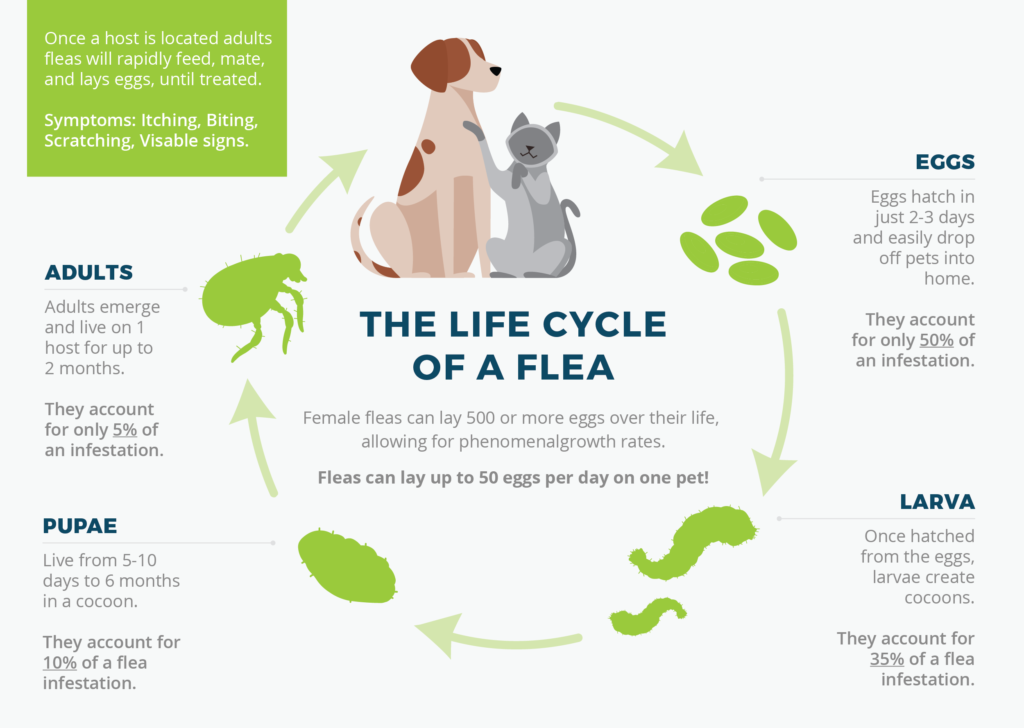
Fleas lay eggs in your carpets, furniture, and pet bedding. Without treating your environment, fleas will continue to hatch and reinfest your pet. Use an appropriate, pet-safe household insecticide spray as the cornerstone of home treatment.
Home Flea Spray with IGR
Designed for carpets, sofas, and pet bedding. Includes an insect growth regulator (IGR) to stop eggs and larvae maturing.
You will also need to keep the house clean by following some simple tips.
Home Treatment Tips
- Wash all pet bedding at 60 °C to kill eggs and larvae.
- Vacuum daily, especially where your pet sleeps or spends time. This removes eggs and vibration encourages pupae to hatch.
- Increase warmth and humidity slightly to accelerate hatching, then vacuum again.
- Let pets access all rooms to draw hidden fleas out of resting sites.
- Repeat environmental treatment every 2–4 weeks during an infestation.
- If you wash or clean surfaces, reapply any environmental sprays as directed.
Step 2: Maintain a Flea-Free Yard
Keeping your yard flea-free is essential for protecting your dog from itchy bites and potential health issues. Regular maintenance disrupts flea breeding areas and makes your outdoor space safer for pets and family. Begin by mowing the lawn frequently and trimming bushes to reduce shady, damp zones where fleas thrive. Remove leaves, grass clippings, and other organic debris that can shelter flea eggs and larvae.
Consider using pet-safe outdoor flea treatments, such as yard sprays or natural options like diatomaceous earth. These products help kill fleas in all life stages. You can also plant flea-repelling herbs such as lavender, rosemary, and lemongrass around your garden for a natural deterrent.
Pet-Safe Outdoor Flea Yard Spray
Kills and repels fleas, ticks, and larvae in lawns, patios, and garden beds. Safe for pets and plants when used as directed.
Lastly, discourage wildlife such as foxes or stray cats from entering your yard, since they can introduce fleas. Combine these yard practices with regular flea prevention for your dog (see Step 3) to keep your outdoor environment comfortable and flea-free.
Yard Maintenance Tips
- Mow your lawn frequently: fleas dislike direct sunlight.
- Avoid over-watering: excess moisture favors flea development.
- Rake and remove debris: eliminate shaded flea habitats.
-
Keep rodents and stray animals away:
- Store pet and human food in sealed containers.
- Remove clutter and cover trash bins securely.
- Seal any openings around sheds or under decks to block wildlife entry.
Frequently Asked Questions About Fleas
Adult fleas can live up to three months on untreated pets. Eggs and larvae remain hidden in carpets and bedding for weeks. Continuous treatment of pets and environment eliminates them completely.
Fleas prefer animal hosts but can bite humans, causing itching and irritation. They cannot reproduce on human skin. Regular pet and home treatments prevent bites.
A veterinary-approved topical or oral medication kills adult fleas within hours. Combine with hot washes and daily vacuuming to remove eggs and larvae, repeating as directed.
Keep all pets on year-round prevention, vacuum weekly, wash bedding often, and manage outdoor areas. Avoid missed treatments to stop dormant fleas from returning.
Conclusion
Fleas are resilient parasites that can cause discomfort, allergies, and even serious illnesses in pets. Eliminating them completely requires a consistent and multi-step approach: treat your pets with veterinary-approved products, clean and spray your home regularly, and maintain your outdoor environment.
Persistence is key — most infestations take several weeks to resolve due to flea eggs and pupae hidden in the environment. Continue with prevention treatments all year round to stop new infestations before they start. The effort pays off in a healthier, happier, and itch-free pet household.