FIC in Cats: Understanding what it involves and how to manage it
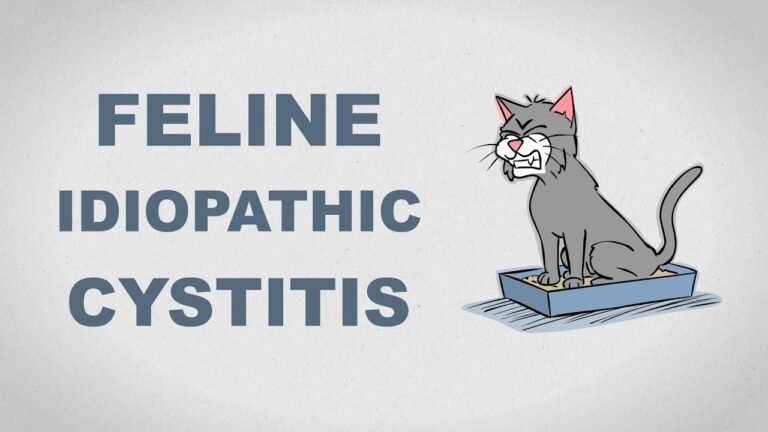
Feline Idiopathic Cystitis (FIC) is one of the most common causes of lower urinary tract disease in cats, especially in young to middle-aged felines. The term “idiopathic” means that the exact cause is unknown, nonetheless, we do know that FIC is associated with bladder inflammation, pain, and often recurring episodes of urinary discomfort. Many cases are associated with stress or stressful events. These can include changes in their environment, such as, a new pet, moving homes, loud noises, construction, a new dominant cat in the area, or even small disruptions in their daily routine.
Typical Symptoms of FIC
- Frequent trips to the litter box
- Straining to urinate
- Blood in the urine
- Vocalizing during urination
- Inappropriate urination (outside the litter box)
- Excessive grooming of the genital area
⚠️ Inability to urinate or producing only a small amount of urine is a medical emergency.
Seek immediate veterinary attention if you notice this symptom.
Diagnosing FIC: A Diagnosis of Exclusion
There is no specific test for FIC, it is considered a diagnosis of exclusion, meaning other causes of cystitis like infections, urinary stones, neoplasia, or kidney problems must be ruled out first. However, this isn’t always feasible due to cost, the cat’s temperament, or other limitations.
Once FIC is diagnosed or strongly suspected, managing the condition can be challenging. Fortunately, recent research and product advancements have introduced new ways to support your cat’s urinary health, particularly through targeted supplements.
What's Happening in the Bladder
Recent studies suggest that cats with FIC may have a defective glycosaminoglycan (GAG) layer, a protective coating that lines the inside of the bladder. This layer helps prevent irritants in the urine from coming into direct contact with the bladder wall.
When the GAG layer is compromised, the bladder becomes more permeable, potentially allowing urine components to trigger inflammation. This may involve the immune or nervous system, and it mirrors the mechanism seen in interstitial cystitis in humans.
Key Components in FIC Supplements
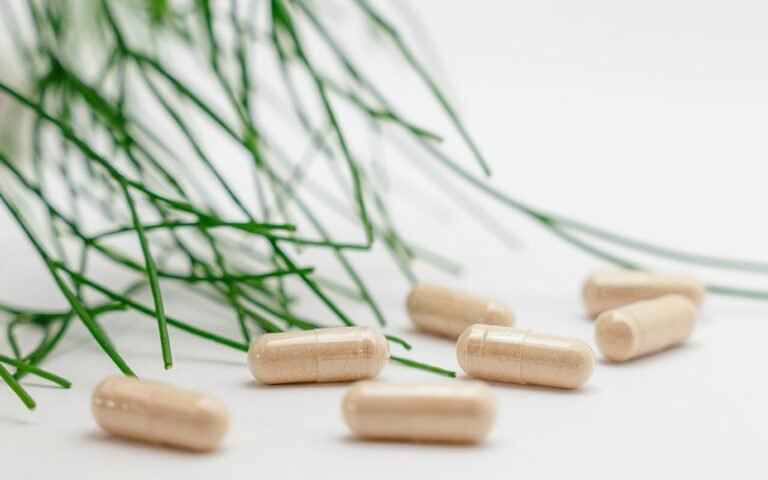
Many urinary supplements aim to support the GAG layer and modulate stress responses:
1) N-acetyl D-glucosamine
GAG building block. Evidence in cats is limited, but generally considered safe for long-term support.
2) L-Tryptophan
Serotonin precursor. May help reduce stress-linked behaviors that trigger FIC flare-ups.
3) Hyaluronic Acid
GAG layer component. Intravesical human data are promising; oral efficacy in cats remains uncertain.
More Than Just Supplements
Alongside the supplements it is important to highlight that lifestyle and environmental factors play a key role in FIC flare-ups.
Maintain a Healthy Weight
Overweight cats are more prone to FIC episodes. Extra body fat may contribute to inflammation, and heavier cats often move less and drink less water, both risk factors. If your cat is neutered, consider switching to a “Neutered” or “Low Calorie” style food.
Encourage Water Intake
Increasing your cat’s water consumption helps dilute the urine and flush the bladder more frequently, reducing irritation. Consider:
- Switching to wet food
- Using water fountains (many cats prefer moving water)
- Offering multiple water bowls around the house, specially in a multicat household
In this article, we dive deeper into how to encourage your cat to drink more water.
Promote Physical Stimulation
Boredom and stress can contribute to FIC, so environmental enrichment is essential:
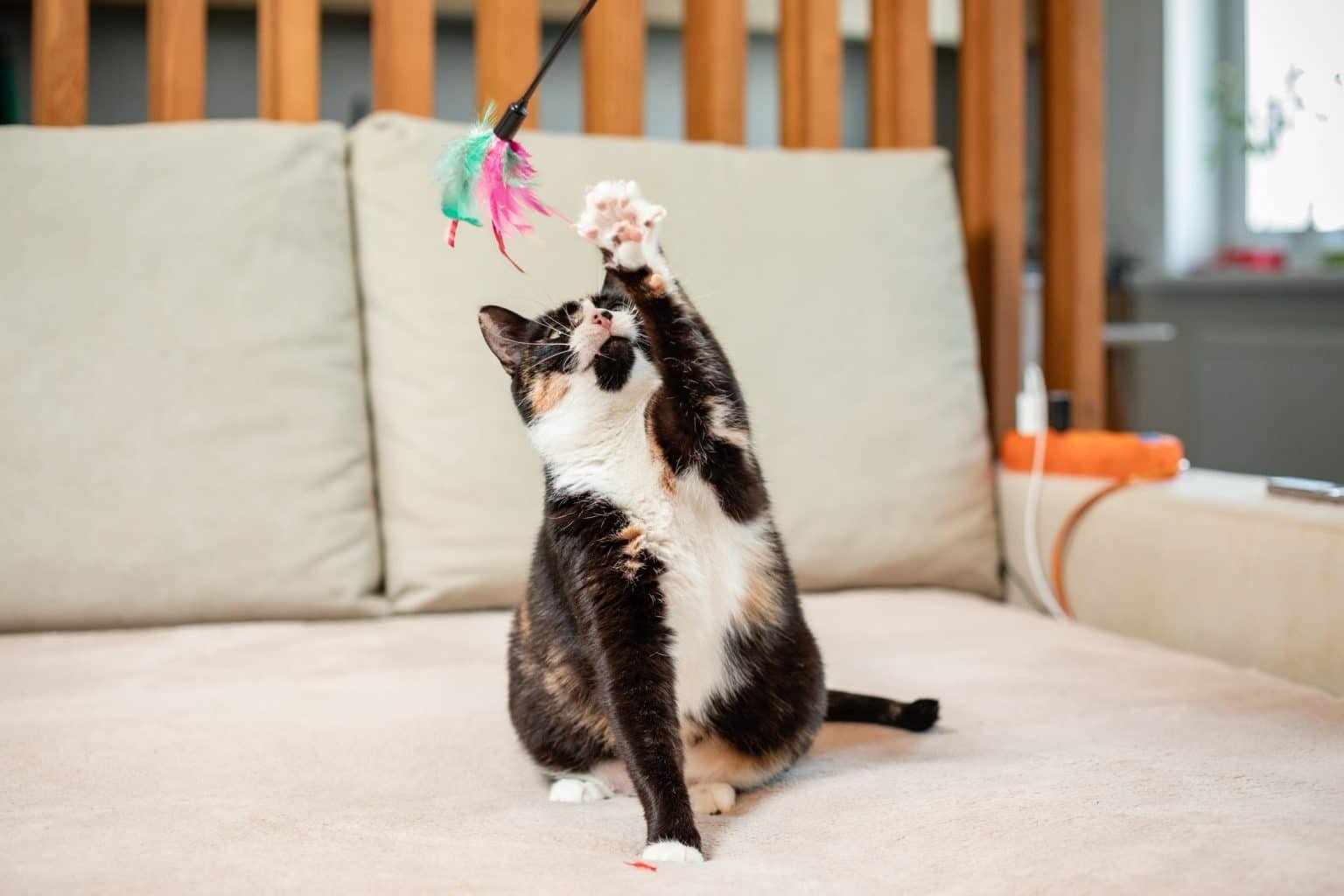
- Interactive Play: Wand toys, laser pointers, catnip-stuffed toys
- Offer puzzle feeders or toys, like treat-dispensing balls
- Ensure vertical climbing spaces and hiding areas are available
- Minimizing sudden changes in routine
These lifestyle changes, in combination with supplements and veterinary guidance, form the foundation of a comprehensive approach to FIC.
More Than Just Supplements
Alongside supplements, lifestyle and environmental factors play a key role in managing FIC flare-ups.
Maintain a Healthy Weight
Overweight cats are more prone to FIC episodes. Extra body fat may contribute to inflammation, and heavier cats often move less and drink less water — both of which increase risk.
If your cat is neutered, consider switching to a “Neutered” or “Low-Calorie” food.
Encourage Water Intake
Increasing your cat’s water intake helps dilute urine and flush the bladder, reducing irritation. You can try:
- Switching to wet food
- Using a water fountain (many cats prefer moving water)
- Placing multiple bowls around the house, especially in multicat homes
Read this water intake tips here →
Promote Physical Stimulation
Boredom and stress can trigger FIC. Environmental enrichment is essential to keep your cat active and mentally balanced:
- Interactive play: Wand toys, lasers, catnip toys
- Puzzle feeders: Treat-dispensing toys that engage the mind
- Vertical space: Cat trees, shelves, hiding spots
- Routine: Avoid sudden changes to your cat’s environment or schedule
These lifestyle changes, combined with supplements and veterinary guidance, create a well-rounded and sustainable approach to managing FIC.
Looking for the best FIC supplements?
We've reviewed and compared the top products to help you choose the right one for your cat's bladder health.
View Supplement Comparison Guide →When nothing else works.
For cats experiencing frequent or severe flare-ups, your vet may recommend stronger medications, such as antidepressants. One commonly prescribed option is fluoxetine (Prozac), a selective serotonin reuptake inhibitor (SSRI). It can help reduce anxiety-driven flare-ups and is generally affordable, available in liquid form, and suitable for long-term use in some cases.
Conclusion
Feline Idiopathic Cystitis (FIC) remains a complex and multifactorial condition, but understanding its triggers and the available management tools can make a significant difference in your cat’s comfort and quality of life. Combining stress reduction, hydration, dietary adjustments, and targeted supplements forms the most effective approach to reducing flare-ups.
Patience and consistency are essential — while no single treatment eliminates FIC completely, a stable environment and ongoing support can greatly minimize symptoms and recurrences. Always consult your veterinarian before introducing new supplements or lifestyle changes.