Feeding Pigeons the Right Way: What You Need to Know

What Do They Eat?

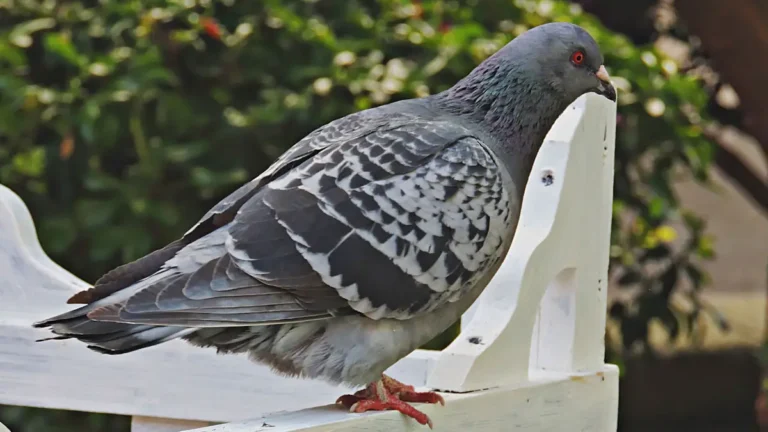
Feeding pigeons in a park can be enjoyable, but it’s important to provide food that is both nutritious and safe. Here’s what to keep in mind:

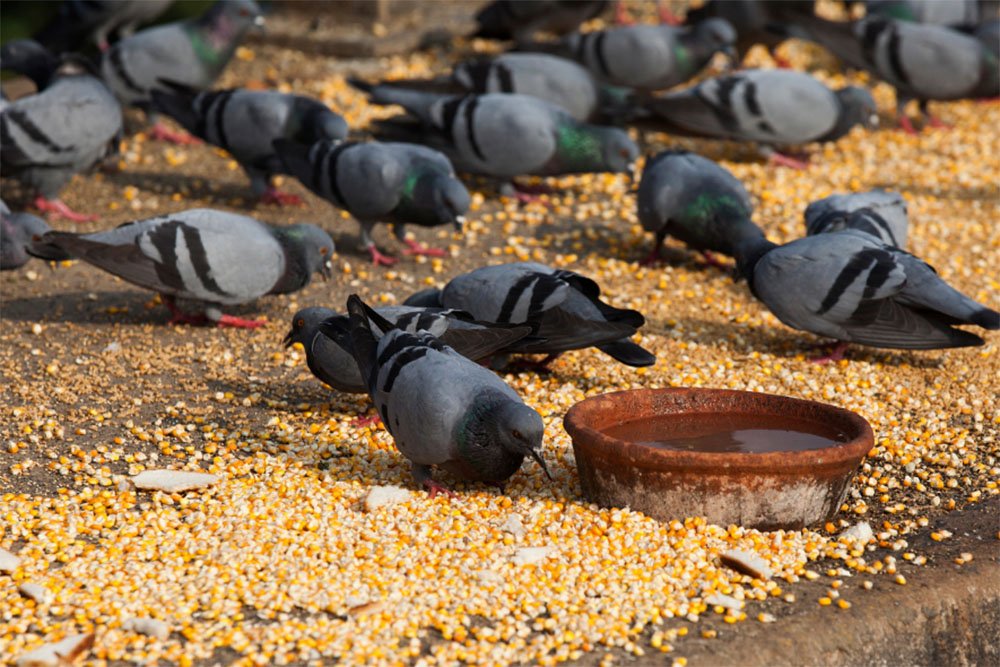
Pigeons thrive on a diet similar to what they eat in the wild—mainly whole grains and seeds. Foods such as unsalted, uncooked oats, barley, millet, cracked corn, and small legumes are far healthier than processed foods. These ingredients supply key nutrients and are easy for pigeons to digest.

Corn
Wheat
Uncooked oats
Peas
Chickpeas
Lentils

Fruits and leafy greens like spinach or kale can be offered occasionally, provided they are fresh, unseasoned, and served in small amounts.

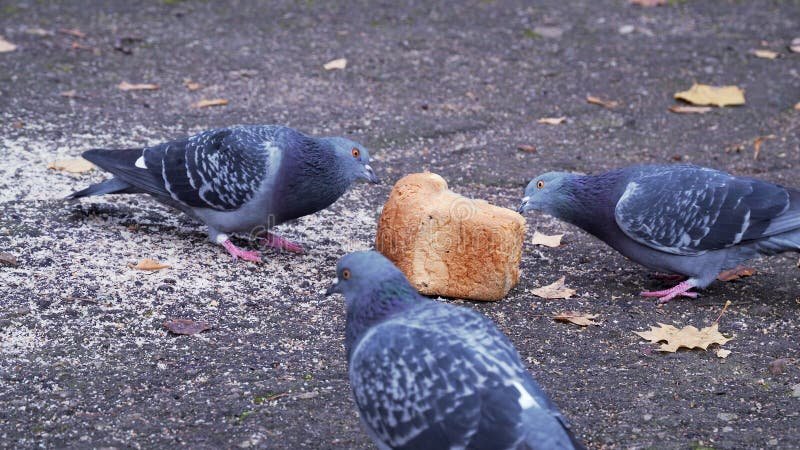
Avoid bread, chips, rice, and sugary snacks. These cause digestive problems and lead to malnutrition over time.

For added variety, pigeons can also have in moderation:

  • Sunflower seeds
  • Pigeon pellets — nutritionally balanced mixes sold in pet stores
  • Vegetables — chopped spinach, kale, or carrots offered occasionally

Offering the right foods supports healthier, balanced pigeon populations and reduces dependence on unhealthy human snacks.


pigeon feeding

Toxic Foods Summary

🥑 Avocado

Contains persin, which can damage the heart and lungs.

🍫 Chocolate & ☕ Caffeine

Overstimulates the nervous system and can cause seizures.

🧅 Onions & Garlic

Destroy red blood cells, leading to anemia.

🍷 Alcohol

Extremely toxic in any amount — avoid completely.

🍎 Fruit Pits & Apple Seeds

Contain cyanide compounds that can poison pigeons.

🥣 Raw Beans

Contain hemagglutinin, a toxin neutralized only when cooked.


What About the Bread?

Unfortunately, bread is a poor and unhealthy choice for pigeons. Their digestive systems are not adapted to handle ultra-processed foods like white bread, which lack essential nutrients and can lead to digestive upset, malnutrition, or long-term health issues.

Even whole grain or brown bread—though slightly better—still fails to meet a pigeon’s nutritional needs. These birds need a balanced diet rich in grains, seeds, and vitamins, not empty calories from processed dough.

Why bread should be avoided

  • Low nutrition: lacks protein, fiber, and vital minerals.
  • Digestive issues: expands in the crop, causing discomfort.
  • Encourages dependency: birds rely on easy food instead of foraging.
  • Attracts pests: leftover crumbs draw rats and other vermin.
Feeding tip: Replace bread with a natural mix of unsalted seeds, whole grains, and small pieces of vegetables or peas. These options support healthy digestion and proper nutrition for wild pigeons.

bread pigeon

Alternative Food: Insects

Pigeons mainly eat seeds and grains, yet they will take small insects when available. These provide protein, healthy fats, and trace minerals that support feather growth, breeding, and energy.

Protein boost Extra calories in cold months Diverse micronutrients

Why pigeons eat insects

  • Opportunistic foraging: picked while pecking lawns, leaf litter, or soil.
  • Life-stage needs: supports growing squabs and breeding adults.
  • Seasonal gap-filler: adds energy when seeds or fruits are scarce.

Common insects they take

  • Ants and small flies
  • Beetles and caterpillars
  • Grasshoppers (when available)
  • Earthworms and small larvae uncovered while foraging
City pigeons foraging for insects on grass
Pigeons will grab small invertebrates while pecking for seeds.

Urban vs. rural foraging

Urban and park pigeons

  • Fewer insects on pavements and short lawns
  • Mostly ants, small flies, occasional worms after rain
  • Rely more on seeds, grains, and human scraps

Rural and woodland edges

  • Greater variety in leaf litter and fields
  • More beetles, caterpillars, and larvae
  • Insects supplement a seed-heavy diet
Feeding tip: Do not supply insects directly. Offer a balanced mix of unsalted seeds and grains and let pigeons forage naturally for any insects. Avoid bread and salty or processed foods.

Key takeaway

Insects are supplements, not a main meal. They provide useful nutrients when nature offers them, especially for young and breeding birds.


Leave a Comment

Your email address will not be published. Required fields are marked *

Scroll to Top